New Rural Health Transformation Program (RHTP) Funding May Be Available in Your State
The Centers for Medicare & Medicaid Services (CMS) created the Rural Health Transformation Program (RHTP) as one of the most significant recent federal investments in rural health. CMS is investing $50 billion over the next five years to help states improve access to care, the patient experience, and overall health outcomes in rural communities.
Recent national scans show that several states included Community Health Worker (CHW) initiatives in their RHTP applications. South Dakota specifically included Community Health Representatives (CHR) in its application. Many applications included a strong focus on workforce development, training, certification, primary care integration, billing and reimbursement and chronic disease management.
Why This Matters for CHR Programs
The Indian Health Service (IHS) Community Health Representative (CHR) Program continues to be one of the most trusted and effective rural health workforces in tribal communities. Across the country, states are increasingly recognizing the value of Community Health Workers (CHWs) improving whole person care, strengthening chronic disease management, and connecting families to essential services.
 The RHTP investment gives states new funding and tools to strengthen rural health systems, while also relying on strong local partnerships to succeed.
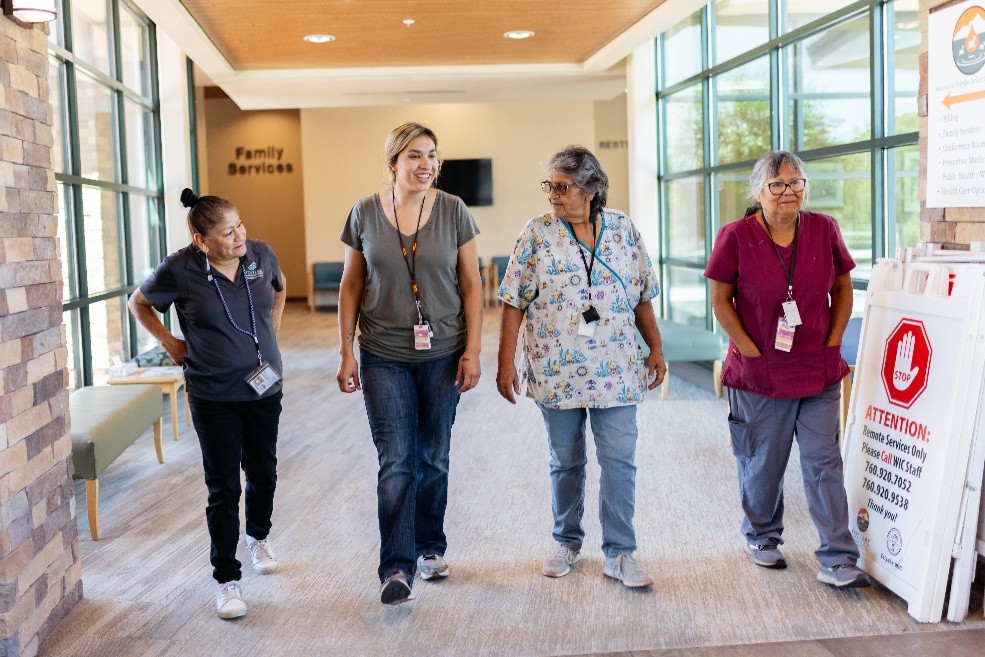
CHRs bring trusted relationships, cultural knowledge, and a deep understanding of tribal communities—qualities that make state level improvements more effective on the ground. Together, the two programs work by combining RHTP resources with CHR programs to ensure that plans are culturally respectful, long-lasting, and are aligned with tribal needs.
While tribal governments were not direct applicants for the RHTP, states were encouraged to engage a broad range of partners, including tribal nations, tribal organizations, and community-based workforce programs, during the planning and application process. Across applications, states recognized that Community Health Workers:
- Are an essential part of the rural health workforce.
- Serve as trusted members of the communities they support.
- Play a critical role in care coordination and addressing social drivers of health.
- Help advance RHTP goals related to access, prevention, and care integration.
This created potential opportunities for CHR programs in states that include workforce initiatives in their RHTP proposals.
What CHR Programs Should Do Now
Implementation of RHTP will vary by state, but many proposals included investments in areas that align with CHR program strengths, such as:
- Workforce development and training
- Certification and career pathways
- Apprenticeships and continuing education
- Technology, telehealth, and care coordination infrastructure
As states move from planning to implementation and work with CMS on program approval and funding, CHR programs can stay informed and assess potential areas of alignment by considering the following:
- Connect with your state’s RHTP lead agency or implementing partner
- Learn how community health workers or similar roles are reflected in the state’s plan
- Explore partnership, collaboration, or subaward opportunities
To better understand how your state is approaching community health workforce investments, you can review the National Academy For State Health Policy website, which highlights how states are incorporating CHWs into their RHTP strategies.