Leading with Expertise: Dr. Rhoads and the IHS Alzheimer’s Program
In 2025, the Indian Health Service (IHS) launched a new training and education initiative, Training and Resources for the IHS on Alzheimer’s and Dementia (TRIAD) through the University of Washington. As part of this effort, Dr. Kristoffer Rhoads is partnering with IHS to support providers in strengthening dementia care within their communities.
TRIAD is designed to help health care professionals build the skills, compassion, and cultural respect necessary to care for elders living with memory challenges. It includes four key parts:
Dr. Rhoads plays an important role in supporting IHS providers by helping them provide stronger dementia care in their communities. Through the TRIAD initiative, he leads the teleconsultation core, giving providers quick access to expert advice when they need it through the Dementia Clinical Support Line. In addition, he supports the Clinical Dementia ECHO program, hosted by the Northwest Portland Area Indian Health Board.
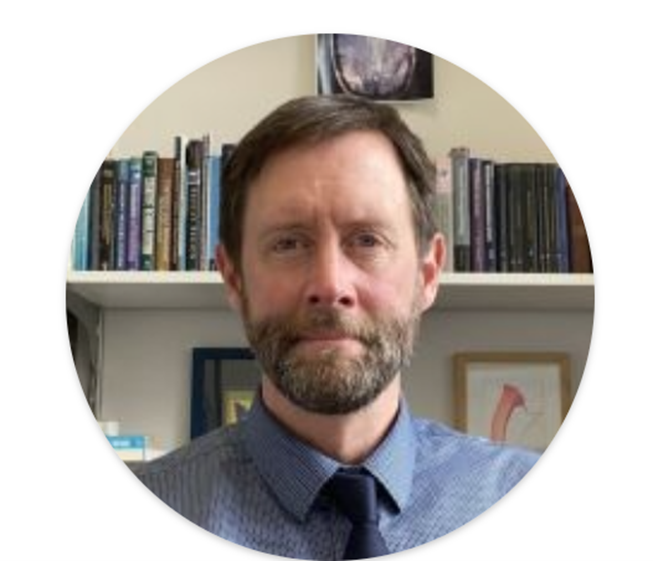 The teleconsultation service offers immediate help to staff serving American Indian and Alaska Native communities. Dr. Rhoads takes the first call, gathers key details, and works with a team to create clear and culturally sensitive recommendations.
With the ECHO program, he helps coordinate TRIAD faculty, shape the curriculum, and bring real case discussions into each session. This curriculum is often based on questions that come through the support line offered by the IHS Alzheimer’s Program. ECHO leaders working closely with Dr. Rhoads are Drs. Blythe Winchester and Eric Metterhausen, geriatric experts from the Eastern Band of Cherokee.
“Each of these programs help health care staff give the best possible dementia care for American Indian and Alaska Native people. They offer expert advice and training, always keeping in mind the unique needs of Native communities,” he said.
Across all his work, Dr. Rhoads is committed to making dementia expertise easy to reach and grounded in the needs of Native American communities. For information on either of these support services, visit the IHS Alzheimer’s Program website.


 In 2026, the Indian Health GeriScholars program will accept up to 20 physicians, nurse practitioners, physician assistants, or pharmacists sponsored by their IHS, tribal, or urban Indian health programs.
 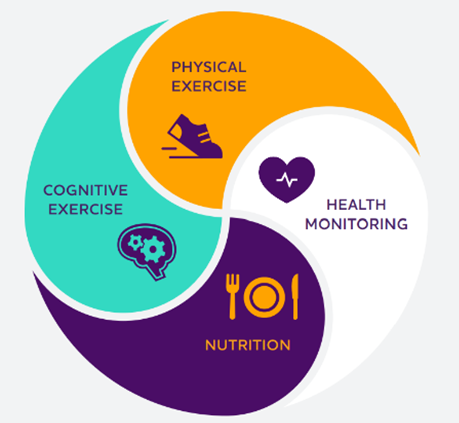 Many health conditions that influence cognitive function later in life—such as obesity, high blood pressure, diabetes, and sleep changes—first appear or become more common as people move through mid‑adulthood, often beginning in the 40s and beyond.