Indian Health Service - Community Health Representative Program

Indian Country CHR ECHO Series Connects Learning with Community Practice​​​​

The Indian Country CHR ECHO Series brings Community Health Representatives (CHRs), CHR allies, tribal health programs, and public health partners together to share practical knowledge and community-driven solutions. Through peer exchange and interactive discussion, participants explore approaches that support health promotion, disease prevention, and community outreach. 

Indian Country EchoThe series is a partnership between the Indian Health Service National CHR Program and the Northwest Portland Area Indian Health Board (NPAIHB), creating opportunities for professional development, collaboration, and networking among CHRs and their partners. 

During the April 20, 2026, session, the National CHR Program provided an opportunity for a unique session consisting of student leaders from Northern Arizona University (NAU) under the direction of Dr. Samantha Sabo, professor of public health in the Department of Health Sciences.

In the session "Using Community Data for Action,” participants explored how data can identify community needs, support program planning, and strengthen public health efforts using the Social Ecological Model (SEM). This model explains how multiple layers of influence—from individual behaviors to broader social, community, and policy environments—shape health outcomes, which helps show where CHRs can intervene across those layers.

Newsletter Content Section Ribbon

Preparing the Next Generation of Public Health Leaders

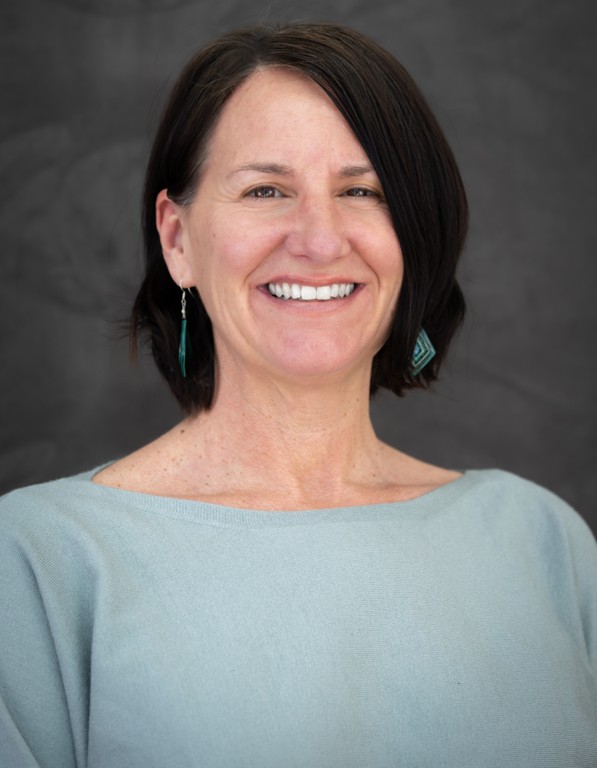
Dr. Samantha Sabo, MPH, associate director of the Center for Community Health and Engaged ResearchDr. Samantha Sabo brings a deep commitment to Indigenous health, community-engaged research, and evaluation. Through her work with Master of Public Health (MPH) students, she creates opportunities for future public health professionals to learn directly from communities, gain practical experience in community settings, and understand the critical role CHRs play in advancing public health.

Dr. Sabo has been a leading researcher and advocate for the integration of CHRs into clinical and public health teams. She’s documented the unique role CHRs play in care coordination, and addressing social determinants of health, helping elevate recognition of CHRs as essential members of care teams. 

In addition, she’s authored influential publications highlighting the CHR workforce which is a model for the profession of community health workers. Her research has helped document the workforce's contributions, workforce needs, and policy priorities, bringing national attention to CHR sustainability, workforce advancement, and health improvement for American Indian and Alaska Native communities.

Pictured: Dr. Samantha Sabo, MPH, is Associate Director of the Center for Community Health and Engaged Research at Northern Arizona University and a longtime partner and ally of the National Community Health Representative Program.

Newsletter Content Section Ribbon

Student Feature: Desirae Bain

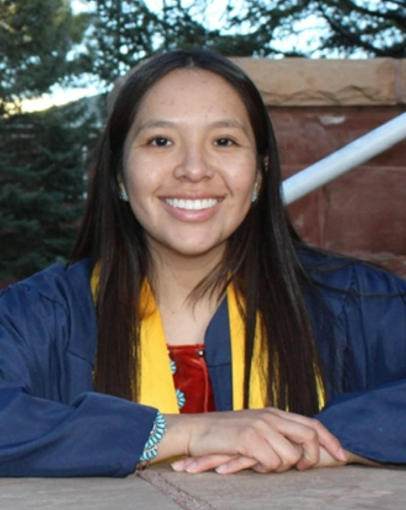
Growing up on the Navajo reservation gave NAU student Desirae Bain a personal understanding of the challenges many communities face in accessing care that reflects their culture, values, and lived experiences. Now pursuing a Master of Public Health degree at NAU under the mentorship of Dr. Samantha Sabo, she brings that perspective to her work and learning experiences with CHR programs. 

Desirae served as a co-presenter during the April Indian Country CHR ECHO session. Preparing for the presentation was a meaningful learning experience. "Going in, I felt uncertain as a student still in the learning process," she admitted.
Student Feature on ECHO Series: Desirae BainWhat stood out most was the opportunity to learn directly from CHRs participating in the session.

"As much as I came prepared to share information, I left learning from the very people I was there to support," she said. “These experiences shaped my path into public health and my commitment to supporting Indigenous communities. I have learned that the world around us is all public health.”

Her experience reflects one of the ECHO model's greatest strengths: learning moves in multiple directions. CHRs, students, public health partners, researchers, and care teams each bring valuable knowledge and perspectives that contribute to stronger community-driven health solutions.

It also reflects the National CHR Program's commitment to shared learning, where community expertise and lived experience are valued alongside academic and clinical knowledge. By creating spaces where these perspectives come together, the ECHO Series helps strengthen workforce capacity while honoring the expertise CHRs bring to improving health outcomes in their communities.

Pictured: Desirae Bain is a Master of Public Health student at Northern Arizona University and a presenter in the April 2026 Indian Country CHR ECHO session, "Using Community Data for Action."

Newsletter Content Section Ribbon

Upcoming CHR ECHO Topics

June 15th, at 12 pm PT, “Microaggressions, Cultural Humility, and Trauma-Informed Communication for CHRs” 

July 19th, at 12 pm PT, “Trauma-Informed Care for CHRs”

August 17th, at 12 pm PT, “Supporting Community Mental Wellness”

September 21st, at 12 pm PT, “Immunization Awareness and Education”

October 19th, at 12 pm PT, “Health Messaging”

November 16th, at 12 pm PT, “Tribal Traditional Health Worker”

To attend an upcoming session visit the Indian Country ECHO Zoom link

Newsletter Content Section Ribbon

Unsubscribe

IHS CHR Program ~ CHR Listserv

Follow the IHS on Facebook, LinkedIn, and X, formerly known as Twitter, to see more of what the IHS is doing in your community and around the country.