Supporting Brain and Heart Health Across the Lifespan
Clinicians across American Indian and Alaska Native communities are placing new emphasis on brain health at every age, helping people build habits that support long-term wellness and reduce dementia risk.
 Brain health is shaped by how we move, eat, sleep, connect with others, and manage chronic conditions. Research has identified more than a dozen potentially modifiable risk factors for dementia, including high blood pressure, diabetes, depression, and hearing loss. These conditions can affect cognitive health over time, so identifying and managing them early helps support long-term brain health. Heart health is especially important for reducing dementia risk, with blood pressure control playing a key role. A growing body of research also supports a multidomain approach—addressing several areas of health together rather than focusing on one.
Providers in the Indian Health Service (IHS), Tribal, and urban Indian health programs can integrate these approaches into everyday care.
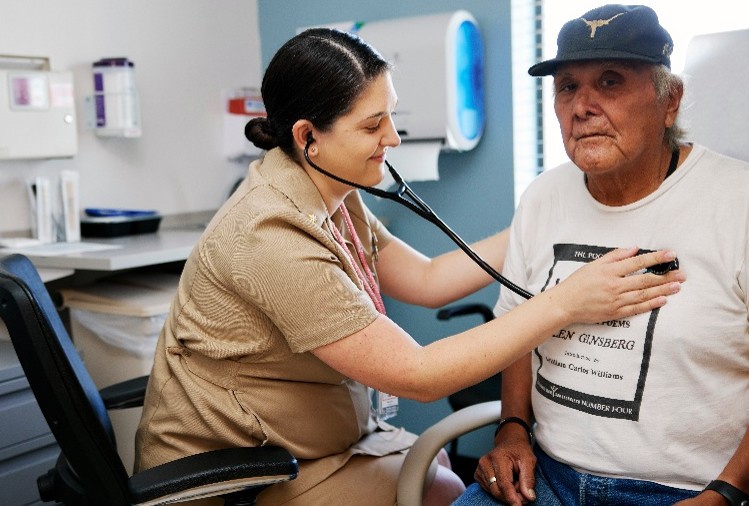
“Brain health doesn’t begin at retirement. It starts early. Small choices made at younger ages can make a big difference decades later," said IHS Chief Clinical Consultant for Geriatrics and Palliative Care Dr. Maria Bellantoni, who is currently an internist and geriatrician at the Phoenix Indian Medical Center.
Clinical and community health staff can build brain health into routine care in several ways:
- Cognitive check-ins during routine visits
- Managing blood pressure and other chronic conditions that affect brain health
- Encouraging physical activity and healthy eating that align with community preferences
- Supporting social and cultural activities that strengthen identity and connection
- Helping caregivers understand what supports brain health at home
“Staying connected to culture, family, and tradition can be especially meaningful for the American Indian and Alaska Native communities we serve. Activities such as language learning, storytelling, spending time outdoors, and gathering with others in the community can support overall wellness,” said Dr. Bellantoni. “When people feel grounded in who they are and where they come from, that sense of belonging can benefit brain health, too.”
The International Association for Indigenous Aging’s Healthy Heart, Healthy Brain flyer is a printable resource that staff can share with patients and community members to explain the connection between heart health and brain health.
The IHS Alzheimer’s Program continues to expand its tools and training to support brain health across the lifespan. Explore our clinical resources on prevention, early detection, and caregiver support, as well as educational videos that local programs can use to raise dementia awareness.
Pictured: Dr. Maria Bellantoni checks a patient’s vital signs at the Phoenix Indian Medical Center.


 The IHS Alzheimer’s and Elder Health Program team is now leading TRIAD activities and services, including the Indian Health Geriatric Scholars and Geriatric Nurse Fellows programs, training opportunities, and the Clinical Dementia Support Line.