How CHRs Make Health Information Clearer for Communities
A trust-building communication strategy identified as “TAP-CV” can help Community Health Representatives (CHRs) bring health literacy into daily interactions.
In the TAP-CV strategy, each letter stands for one part of the approach:
- Teach Back: Ask patients to explain, in their own words, what they need to know or do next.
- Adapt Language: Use familiar, plain language. Avoid unnecessary medical jargon.
- Pictures & Multimodal Communication: Reinforce information with pictures, demonstrations, diagrams, or videos.
- Culture & Trauma Informed Care: Communicate in ways that respect culture, family, traditions, and lived experiences.
- Validate Navigation & Support Needs: Ask what might make it hard to follow the care plan. Help connect patients with needed support.
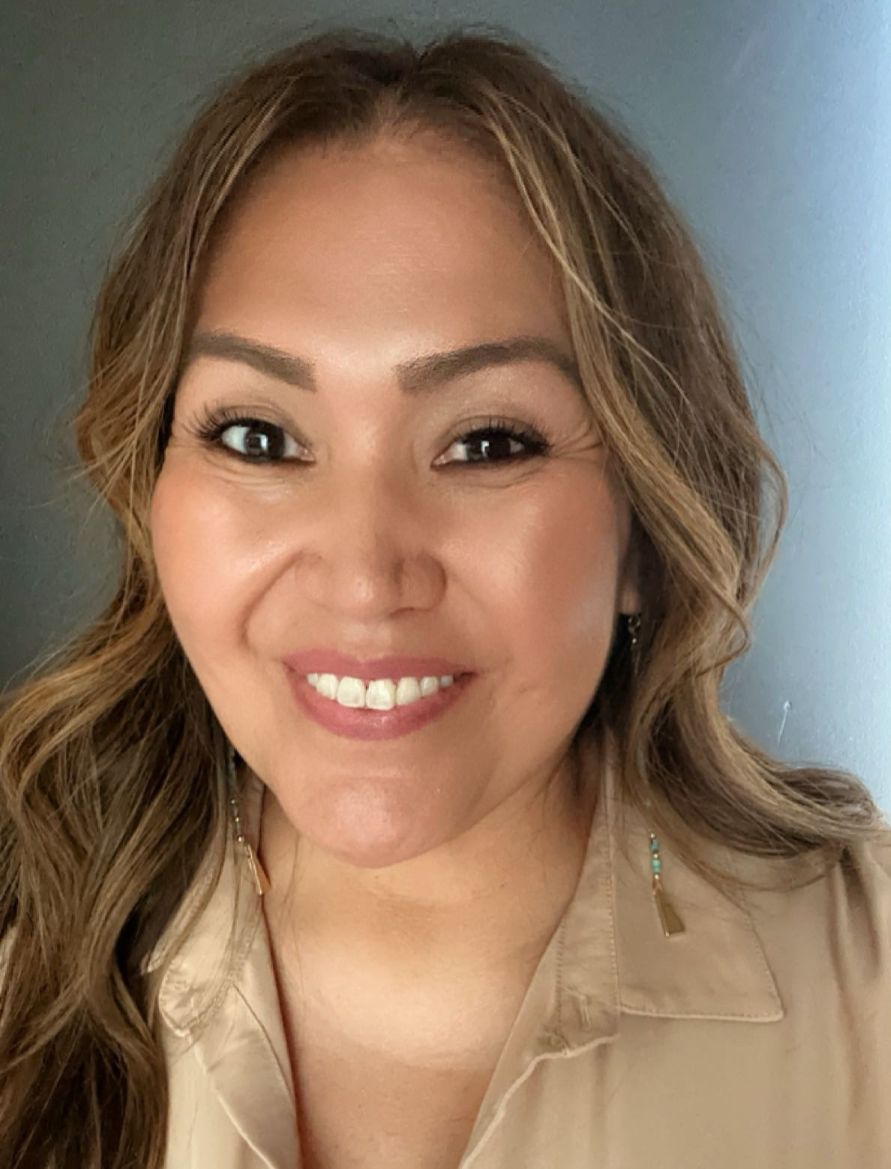 Indian Health Service (IHS) Public Health Advisor and Health Education Consultant Taryn Watson states the goal is to give patients and families information they can understand, trust, and use.
She works closely with the IHS CHR Program and local CHR teams in American Indian and Alaska Native communities across the country. Health literacy, she says, is one of the most practical tools CHRs can use to strengthen communication and support patients.
“Health care can be complicated. That’s why this is an important part of patient safety, quality care, prevention, and patient engagement,” Taryn said.
Health literacy can be strengthened by using clear language, checking for understanding, offering helpful visuals, respecting culture and lived experience, and exploring barriers and support needs without judgment.
CHRs already bring trusted relationships, cultural knowledge, and community experience to their work. They help people understand medication instructions, prepare for appointments, manage chronic conditions, and connect with needed services. TAP-CV builds on those strengths.
“We welcome opportunities to work with CHR programs to strengthen health literacy practices and support clear, culturally responsive communication throughout our Tribal and urban Indian communities,” she said.
CHR programs interested in hosting a health literacy workshop can contact Taryn at taryn.watson@ihs.gov.
Pictured: Taryn Watson is an IHS Public Health Advisor and Health Education Consultant.